Video Follow-Up Sequences After SaaS Product Demos
Role-specific videos help champions win over the whole buying committee.

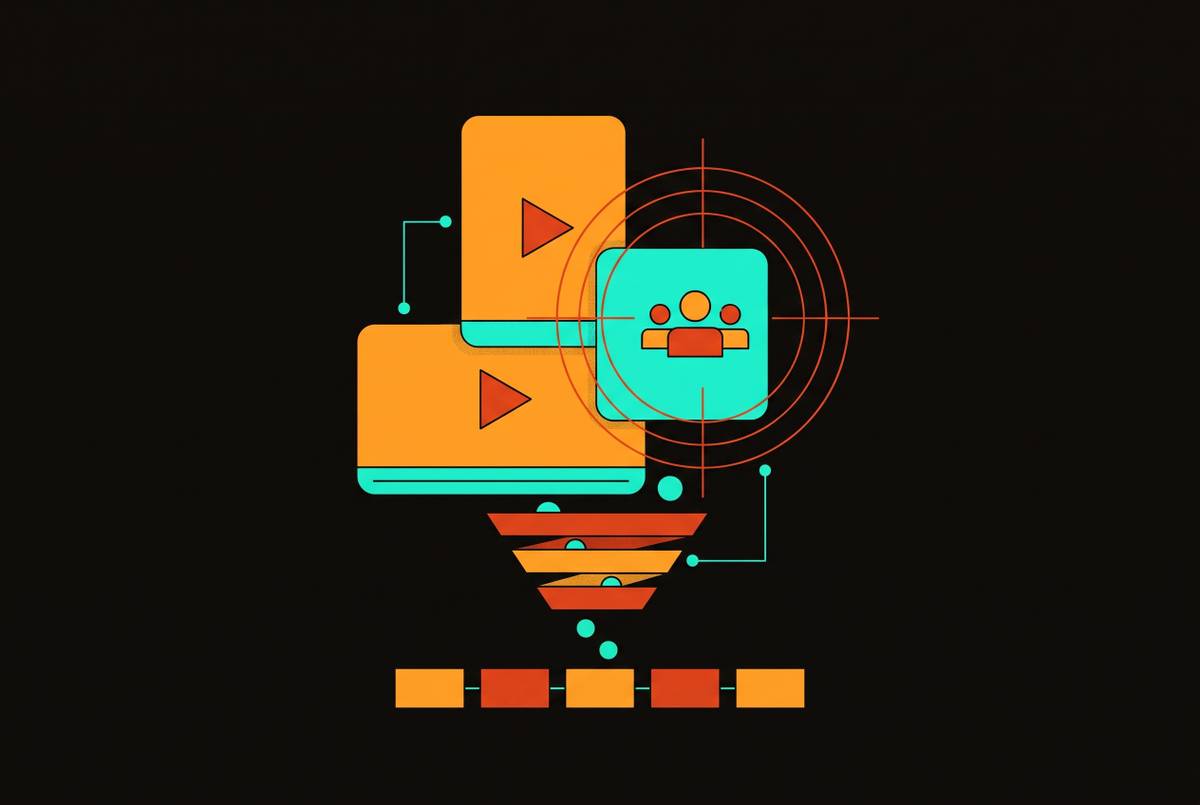
Post-demo video sequences help a SaaS buying committee make a decision after the call ends. The demo rarely loses the deal. Silence and static follow-up leave the champion to sell the product alone. A useful sequence gives each stakeholder the right answer at the right moment, built around the problem the group needs to solve.
Why the demo rarely loses the deal — but the silence after it does
The champion ends the demo call and has another meeting ahead. This time, the rep will not be there. A boss wants to know why the team needs another tool, finance wants a reason to spend, and daily users want to know what changes. The champion has to turn a product demonstration into a case that holds up under those different questions. A good call does not do that work automatically.
Gartner’s August–September 2024 survey of B2B buyers found that buying groups range from five to sixteen people across as many as four functions. The same research found that buyers spend only a small fraction of their purchase time meeting potential suppliers. Most of the decision happens without the rep. That makes the follow-up more than a courtesy, because it must explain the product in rooms the seller cannot enter. A recap email with five bullet points leaves that explanation to the champion’s memory, while a forwardable video lets colleagues see the answer themselves.
What makes the champion's internal sell so hard without the right artifact
The champion’s problem is translation. Someone who watched the demo understands the question behind a click, but a colleague reading a recap sees only the claim. An email cannot show a workflow moving from one step to the next. When the champion paraphrases it, nuance gets lost, and objections from people absent from the call remain unanswered.
Gartner’s buyer research found that content tailored to the buying group’s shared needs improves consensus, while content tailored only to one person’s preferences has a measurably negative effect. The same research found that groups reaching consensus were more than twice as likely to report a high-quality deal outcome. The follow-up therefore needs a shared frame. The follow-up cannot just praise the feature the champion liked most, because liking that feature may not answer anyone else’s concern. Its job is to connect the product’s behavior to a problem the group can agree is worth solving.
What a post-demo follow-up video actually is — and what it is not
A post-demo follow-up video is a recorded answer to a question raised during the call, shown through the prospect’s workflow. It opens with enough context for someone who was not there. The records, volumes, and terms should look like the buyer’s business. The recording then shows the relevant product flow and ends with one concrete action or meeting at a proposed time.
That distinction rules out a demo replay, a feature tour, or a pricing walkthrough as substitutes. Those formats make a new viewer search for relevance. The practical recommendation is to send the recording the same day, while the buyer remembers asking and the rep remembers the exact words. The next step belongs in both the video and its email. This custom walkthrough is worth the work in post-call, enterprise, and account-based selling, where the buyer needs an answer to a specific question.
A script structure that makes the video forwardable, not just watchable
The opening must state the problem clearly enough that a new viewer can follow without an introduction from the champion. In the script’s fifteen-to-thirty-five-second segment, show how the prospect works today, using their numbers and their kind of records. Context comes before clicks.
From thirty-five seconds to two minutes thirty seconds, show the answer in two to four steps. Give each step one or two sentences, speak naturally, and pause for the clicks. Start on the first relevant screen. From two minutes thirty seconds to three minutes ten seconds, answer the objection raised on the call and acknowledge one honest limit. Naming that constraint is less costly than letting a colleague discover it later and question the rep’s credibility.
The last part runs to three minutes thirty seconds and suggests one next step. State who should join, what the meeting will accomplish, and a proposed date, then hold that information on screen for two seconds. Keep the rest out of the recording. Unrequested features belong on a later call, and pricing belongs in the proposal because forwarded videos can outlive a quote. Real customer data or logos that are not the prospect’s own should also stay out.
Why one video for the whole buying committee fails, and how role-specific cuts fix it
Aggregate views cannot show which stakeholder is engaged and which is cold. A single narrative also has to serve incompatible questions. A team manager wants a before-and-after process view, while IT and security need detail about integrations, permissions, and data handling. Finance and procurement may need a value case and contractual information in a document or a one-on-one call.
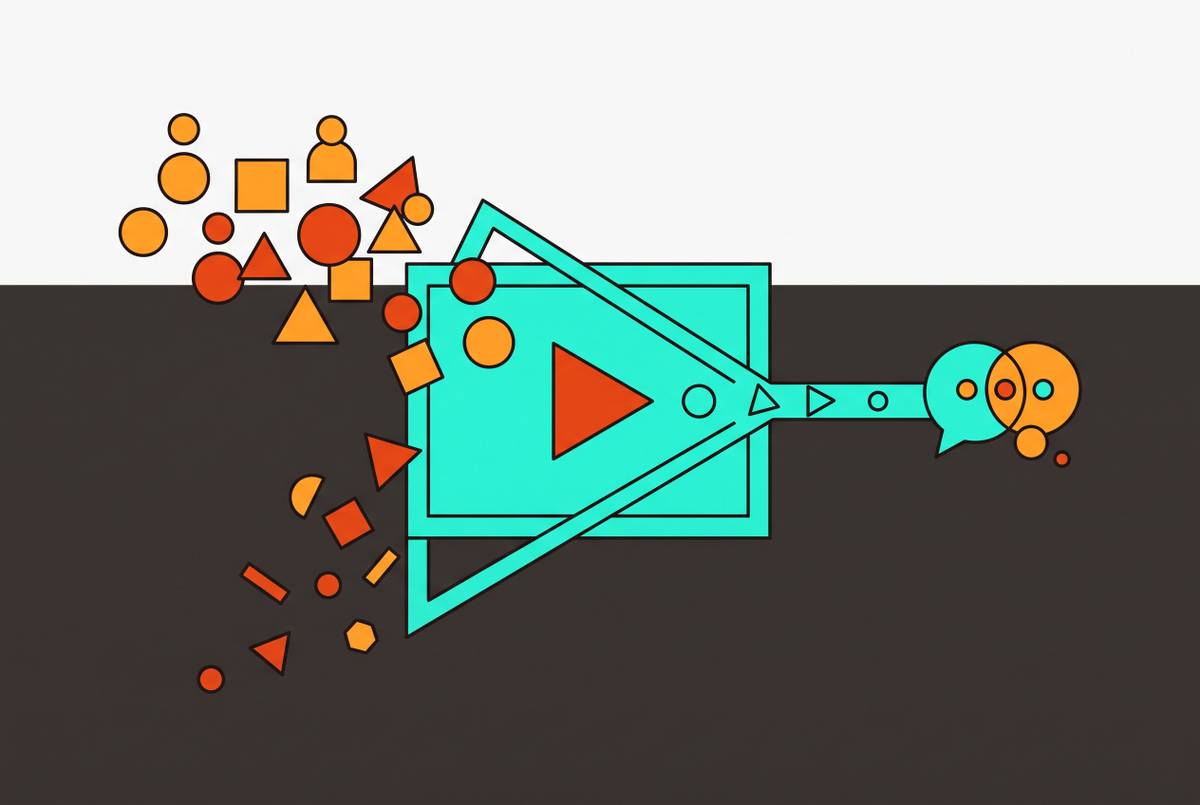
One way to fix this is to make role-specific cuts from one core recording, usually a minute or two each, and send each through its own link. A technical walkthrough can run longer when its detail earns the time. Each version keeps the shared business problem intact but frames the answer for the person watching. Role-specific does not mean unrelated.
This does add production work, but it does not require starting over for each stakeholder. The core answer section can be reused while the opening context and closing next step change by role. Signed individual links also make a short visit visible. If a skeptical VP watches five seconds and leaves, the rep can see that short visit on its own, apart from the total views on a shared link. The next follow-up can address that lack of interest instead of assuming everyone on the committee is equally engaged.
How to structure a post-demo sequence across the buying committee's deliberation window
The practical sequence begins with the same-day answer to the question raised on the demo. This first touch goes to the champion with a concrete next step. Its email should name the question the video answers, say who else should watch, and propose the next meeting. The email routes. The video explains. A long cover letter only makes the buyer work through a second explanation before reaching the first.
The second touch follows within a day or two. It gives the champion role-specific cuts for the stakeholders named on the call, with a separate link for each. The champion should not have to write an extra introduction explaining why a colleague needs to watch. That context belongs in the asset being forwarded.
The third touch comes when someone engages. When a new stakeholder watches, the sequence calls for direct follow-up with that person, because a VP who watches twice may offer a warmer conversation than a silent champion. If deliberation stalls, the fourth touch is a short new video answering the objection from the champion’s latest update. It is not a resend of the original.
What to measure in a video follow-up sequence, and what only looks like a signal
Views and total watch time can look good without showing that the deal is moving forward. A champion finishing the video and a skeptical VP leaving early are different signals, even if an aggregate report makes the recording look popular. Completion needs a name and a role. In-player calls to action should also be tied to a specific account so that a click can inform the next conversation.
Repeat viewing tells more about a deal while it is active than a count of all views over time does. A finance lead returning to the same clip twice in a short span is a buying signal, though it is not a commitment. Forwarding behavior adds another clue. A video sent to one person that produces three play sessions from different locations suggests the champion is spreading the explanation internally, but does not by itself identify every viewer.
Set up measurement before the first send. Signed individual links per stakeholder are a prerequisite for named engagement data. Aggregate link data cannot be separated retroactively into the stakeholder histories that were never captured.
How AI-generated video tools change the production calculus — and where they introduce new risk
AI-generated video lowers the extra cost of producing role-specific versions, making a broader sequence more practical. But the post-demo moment is already a trust relationship. The buyer has spoken with a person and expects an answer from that person. Automation changes what it costs to make the videos, but buyers still expect that personal answer, so the choice of tool affects more than speed.
Loom and Sendspark preserve a real rep’s face on camera, with each recording requiring the rep’s time. HeyGen’s digital twin model lets a rep record once and use an AI twin to deliver personalized follow-ups, including a prospect’s name and company from a template. Sendspark’s agentic workflows can detect intent and trigger a personalized video, while integrated tools such as Clay handle prospect research. These approaches reduce different parts of the workload. They do not establish that a synthetic delivery will be welcome after a human conversation.
Buyers who recognize an AI avatar may disengage, especially when the follow-up concerns a sensitive decision. No published controlled study has confirmed that AI-avatar video outperforms genuine rep-recorded video specifically after demos. The reusable workflow remains straightforward regardless of tool. Record the product flow once, make the master cut, and use it to make role-specific versions.
The practical rule is to match the tool to the sales motion. High-volume mid-market sequences where speed is the priority can benefit from AI-assisted production. Late-stage enterprise deals, where a named stakeholder’s trust is the variable, should default to a rep-recorded clip.
Why a custom-built video follow-up outperforms a generic one, and what "built for the deal" actually requires
A generic follow-up shows what the product can do without explaining why this buyer needs it. That leaves the committee with product information but no clear basis for choosing. Polish cannot repair a missing answer. A video built for the deal instead connects a specific capability to the prospect’s question, using the terms, record volumes, and workflow patterns that make the explanation recognizable.
This takes knowledge of the product before it takes skill at making videos. The rep must understand not just what the software does, but which capability answers the buyer’s concern and where that answer has limits. A recording that only teaches the interface leaves differentiation and qualification unfinished. What the buying group needs to solve must guide the selection, rather than whichever feature drew the champion’s strongest reaction. Otherwise, role-specific versions just bring the same weak case to more people.
Before hitting record, the rep should write the prospect’s question in their exact words and choose the product flow that answers it. The next task is to prepare data shaped like the buyer’s business and identify the constraint that needs an honest explanation. Then name the stakeholder the cut is for and write the closing action with names and a proposed time. If the rep cannot make them, another recording will not move the deal forward.